

When Fear Isn’t Fun: Understanding Anxiety vs. Normal Fear
Articles
Oct 13, 2026
Why do we like being scared? Explore the psychology of horror movies, suspense, and safe scares—and how to recognize when fear stops feeling fun.
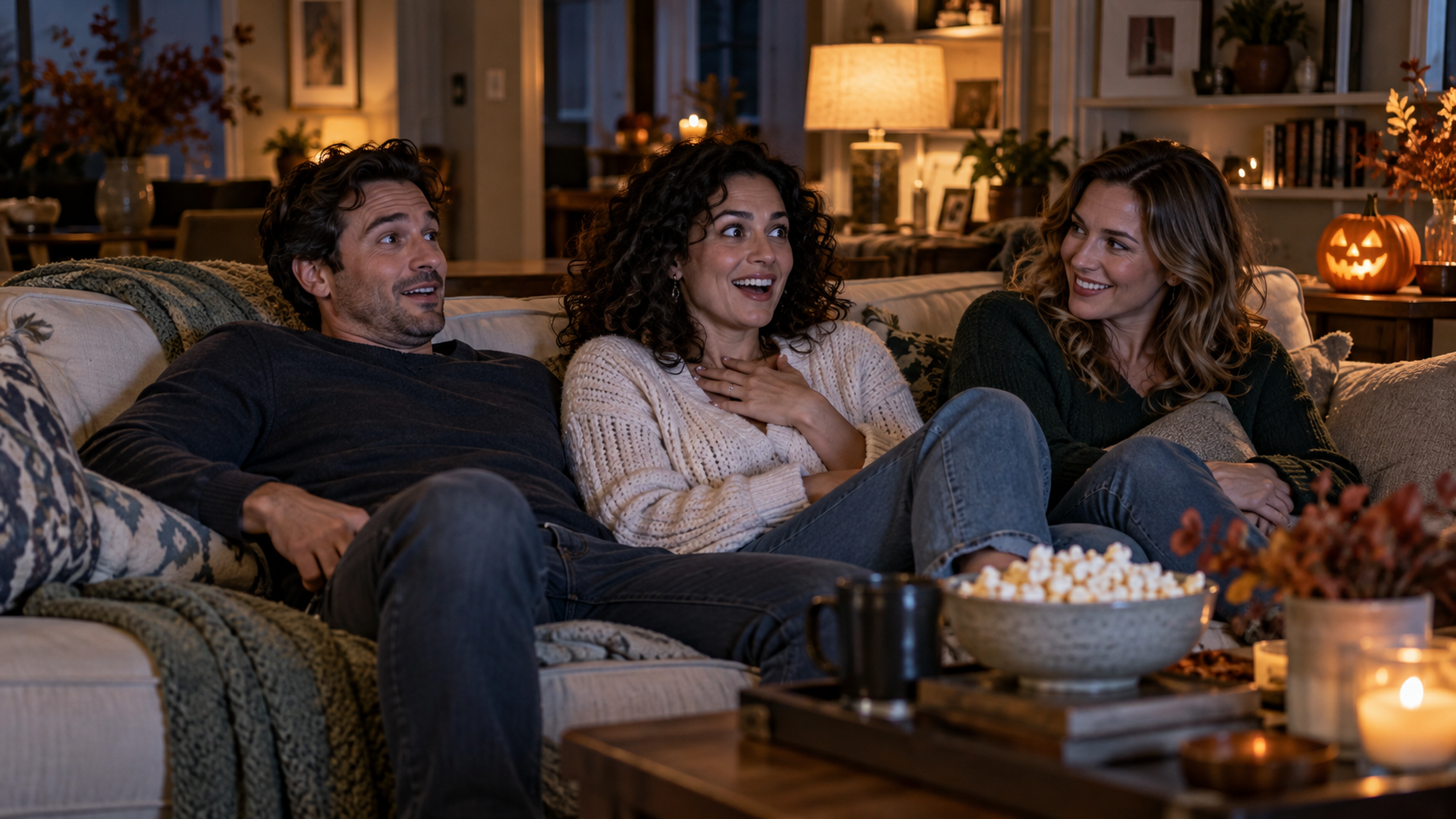
You know the person on the screen should not open that door. You know something is waiting at the end of the dark hallway. You might even know exactly when the jump scare is coming.
You jump anyway. Then you laugh—and keep watching.
Every October, people deliberately seek out experiences that make their hearts race: haunted houses, horror movies, ghost stories, and elaborate Halloween attractions. It raises an interesting question: If fear is supposed to help us avoid danger, why do we sometimes pay to experience it?
For many people, the appeal comes from feeling frightened within a situation they understand to be safe. Add suspense, curiosity, relief, and the company of friends, and an uncomfortable emotion can become part of an enjoyable evening.
The key is that the experience remains something you want to participate in.
Enjoyable fear is often called recreational fear: choosing a frightening experience for entertainment. The pleasure may come from the intensity, the satisfaction of getting through it, or the story itself. There is no single explanation that describes every horror fan.
A study published in Psychological Science followed 110 visitors through a haunted attraction. Researchers found that enjoyment tended to peak at an intermediate level of reported fear. Too little was less engaging; too much could become overwhelming. The findings suggest a personal “sweet spot,” rather than a rule that more fear always means more fun. The study involved people who had already chosen to visit the attraction, so it does not establish that everyone enjoys being scared. journals.sagepub.com
You can probably picture that balance. One person wants a spooky mystery and a few surprises. Another wants actors jumping out of the dark. Both may be looking for a level of intensity that feels exciting to them.
A sudden noise or threatening image can trigger a physical response: a faster heartbeat, tense muscles, quicker breathing, or sweating. These changes are part of the body’s preparation to respond to a perceived threat. Knowing that you are watching a movie does not necessarily prevent a startle response. health.clevelandclinic.org
That combination is part of what makes horror unusual. You can feel a real physical reaction while also recognizing the actors, special effects, and screen separating you from the story.
Imagine hearing a strange sound while home alone, then hearing the same sound in a haunted-house attraction you entered with friends. The sound may be similar, but the meaning you give it is different. In one setting, you need to work out whether something is wrong. In the other, being startled is part of what you came for.
This is why explaining scary entertainment as simply “an adrenaline rush” leaves out so much. The surroundings, your expectations, and your sense of choice help shape the experience.
Sometimes you keep watching because you want answers. What is behind the door? Can the main character escape? Was that detail a clue?
In an interview with the American Psychological Association, researcher Coltan Scrivner describes curiosity about threatening situations as one reason people engage with frightening entertainment. Some viewers are drawn to exploring danger from a safe distance; others enjoy discovering how they respond to something unsettling. Sensation seeking is only one possible motivation. apa.org
A useful way to think about your own preferences is to ask what you are actually enjoying. Is it the mystery? The atmosphere? The creature design? The challenge of predicting what happens next?
Someone who loves a slow ghost story may dislike graphic violence. Someone who enjoys a haunted attraction may have no interest in a realistic crime drama. “Scary” covers many different experiences.
Think about the moment after a frightening scene: your shoulders drop, you exhale, and the tension gives way to a laugh.
One explanation discussed by media researchers is that the arousal produced by suspense can intensify the positive feelings that follow a character’s escape or a threat’s resolution. That makes the movement from tension to relief part of the appeal. It is one explanation for enjoyment, not a promise that every frightening experience ends pleasantly. Penn State University
For some viewers, the memorable part is the transition: “That got me—and now it’s over.” A movie can organize those moments into a rhythm of anticipation, surprise, and release.
Of course, some stories deliberately withhold relief. If an unresolved ending leaves you unsettled, you do not have to appreciate it simply because someone else calls it brilliant.
Picture two versions of the same evening. In one, you watch a horror movie alone before bed. In the other, you watch with friends, trade predictions, and laugh when everyone jumps at once.
You might prefer one version because of the social experience surrounding it. The jokes afterward, the shared anticipation, or the ritual of an annual Halloween outing may matter as much as the scares.
That is also a reason to check that everyone wants the same kind of evening. A group can enjoy different levels of intensity. Agreeing on the movie beforehand or making it easy to skip an attraction gives people room to participate on their own terms.
“You’ll be fine” is less useful than “What kind of scary feels fun to you?”
Not everyone finds intense sensations rewarding, and even enthusiastic horror fans have limits. Researcher Scrivner describes people adjusting their experience by looking away, covering their ears, or reminding themselves that the danger is fictional. These are ways of changing how immersed or frightened they feel. apa.org
Your preferences also do not need to be consistent across every situation. You may enjoy a familiar thriller but dislike unexpected pranks. You may welcome a spooky film on a relaxed weekend and want something gentler after a demanding day.
Consider the difference between choosing to enter a haunted house and having someone frighten you without warning. Choice matters to the experience you intended to have.
There is no need to treat entertainment as a test of courage. Disliking horror does not require an explanation, and enjoying it does not make you immune to fear in everyday life.
Check how you feel both during and after the experience. Are you engaged and enjoying the tension? Or are you waiting for it to end because you feel overwhelmed?
You can adjust the evening without making it a major decision:
For example, “I’m up for a ghost story, but I don’t want anything involving harm to children” gives the group something specific to work with. “I’ve had enough for tonight” is also a complete reason to stop.
The question is whether the experience is giving you the kind of enjoyment you wanted.
Some people describe a satisfying sense of accomplishment after getting through a scary experience. That does not establish that horror movies treat an anxiety disorder.
Exposure therapy is a structured psychological treatment involving carefully planned contact with feared situations, sensations, or memories. A clinician helps select an approach suited to the person and the concern being treated. Choosing frightening entertainment is not equivalent to that process. apa.org
If your aim is to address panic, a phobia, or persistent anxiety, discuss that goal with a qualified therapist. You do not need to invent a test of bravery or push yourself through material that feels overwhelming.
Occasional fear is part of life. Anxiety deserves closer attention when it persists, becomes difficult to manage, or interferes with sleep, work, relationships, or everyday activities. Anxiety disorders can be treated, and treatment choices depend on the individual’s needs. National Institute of Mental Health (NIMH)
You might notice that you are increasingly avoiding ordinary activities, spending substantial time anticipating danger, or struggling to settle even when there is no immediate threat. Those are useful experiences to bring to a healthcare professional rather than judging yourself for having them.
Elite Therapeutic Services offers virtual therapy in New York and Connecticut, subject to clinician licensure and availability. Explore our therapy specialties or contact the practice to discuss support for anxiety and related concerns.
Laughter can accompany the moment when surprise gives way to relief or you recognize the absurdity of your reaction. In a group, you may also be responding to everyone else. There is no single explanation for every laugh.
Yes. Enjoying a chosen fictional experience and finding everyday uncertainty difficult can coexist. Pay attention to how the activity affects you, including afterward. Horror does not need to become part of your anxiety treatment.
No. People differ in what they find entertaining and how much intensity they want. You can enjoy Halloween through costumes, decorations, or a familiar seasonal film without seeking out a scare.
Whether your ideal October evening involves a haunted house or a cozy movie, you get to choose the experience. Fear is most likely to be enjoyable when there is room for curiosity, a sense of safety, and the freedom to say, “That’s enough.”